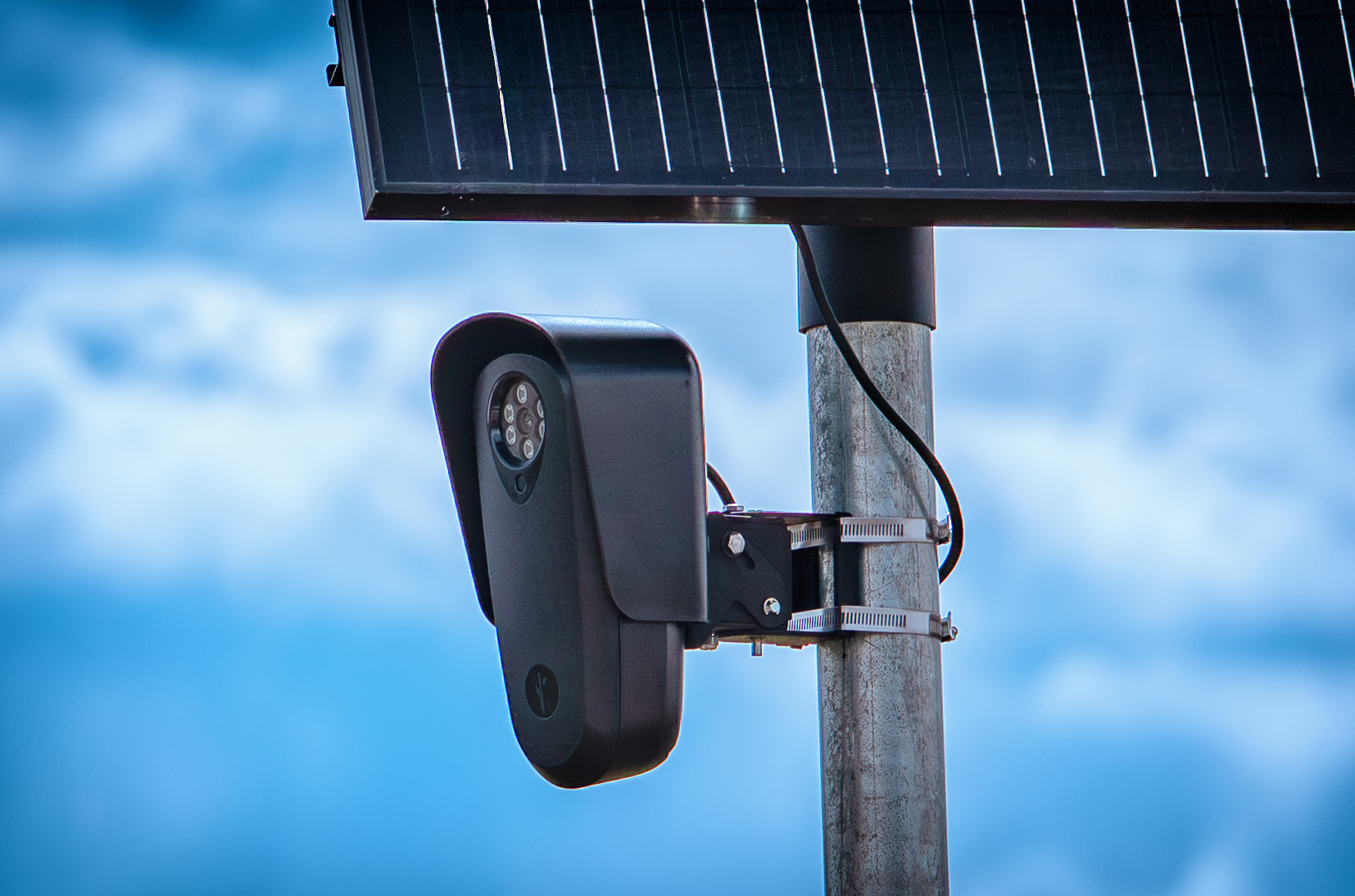
A newly filed Texas House bill would restrict how police departments use automated license plate readers and ban them from sharing that data with federal agencies, including U.S. Immigration and Customs Enforcement (ICE).
House Bill 763, filed Nov. 9 by state Rep. Mary González, D-Clint, would require most collected license plate data to be destroyed within 48 hours, as first reported by KPRC 2. The bill would also establish penalties for violations and let Texans sue for damages.
The legislation matters locally. Seabrook operates eight fixed Flock Safety license plate reader units across the city, according to the Seabrook Police Department's LPR program page. The department retains that data for 30 days. Under HB 763, that window would shrink to 48 hours, with exceptions for criminal evidence, warrants and certain preservation requests.
Texas has no statewide law governing how police departments use automated license plate readers, or ALPRs, KPRC 2 reported. Individual agencies set their own rules. HB 763 would change that.
What the bill would do
The bill would limit government use of ALPRs to specific purposes: investigating felonies, locating missing people, recovering stolen vehicles and identifying uninsured or unregistered vehicles. Toll collection, parking enforcement and access control at secured areas would also be permitted, according to KPRC 2's reporting.
Agencies would be prohibited from sharing captured plate data with the federal government, including ICE. Sharing with other government agencies would be restricted to purposes the bill specifically authorizes.
Agencies would also have to publish their camera-use policies and file annual reports detailing the number of scans conducted and arrests resulting from database searches. Texans harmed by violations could sue for actual damages or $1,000 in statutory damages, plus court costs and attorney's fees, KPRC 2 reported.
Local context
Seabrook's existing policy limits its LPR system to authorized law enforcement purposes such as identifying stolen vehicles, wanted persons and missing or endangered persons. Officers are prohibited from using it for non-law enforcement purposes, according to the department's program page. The department shares data with credentialed law enforcement officers whose agencies hold a valid FBI-issued identifier number.
The bill arrives as Flock cameras face mounting scrutiny across the region. League City voters rejected the cameras on Nov. 3, with 54% opposing continued use, according to Houston Public Media. League City Mayor Nick Long said the city would immediately disable cameras by covering them with nylon bags.
Harris County commissioners voted 3-2 on Oct. 15 to create an oversight workgroup for the technology, led by Sheriff Ed Gonzalez, according to Community Impact. That group must report back by February 2027 with proposed rules for data retention and sharing. Harris County Constable Precinct 8, which patrols parts of the Clear Lake area, provided an ALPR policy to the county, according to reporting by ABC 13.
Gov. Greg Abbott has also paused state funding for Flock cameras. KPRC 2 reported in September that state agencies were directed not to allow grant funds to be used for the technology.
What's next
The bill was filed ahead of the 90th Texas Legislature, which convenes Jan. 12, 2027. It has not yet been assigned to a committee.