Friendswood state Rep. Greg Bonnen will lead a seven-member team pitching Texas as the home of the new U.S. Space Academy, Gov. Greg Abbott announced Tuesday, Sept. 15.
The team includes two former NASA astronauts, a former U.S. Air Force secretary and researchers from Texas A&M and the University of Texas system. Their task: build the state's formal proposal to a federal commission deciding where to put the academy, which President Donald Trump has called equivalent to West Point and the other military service academies.
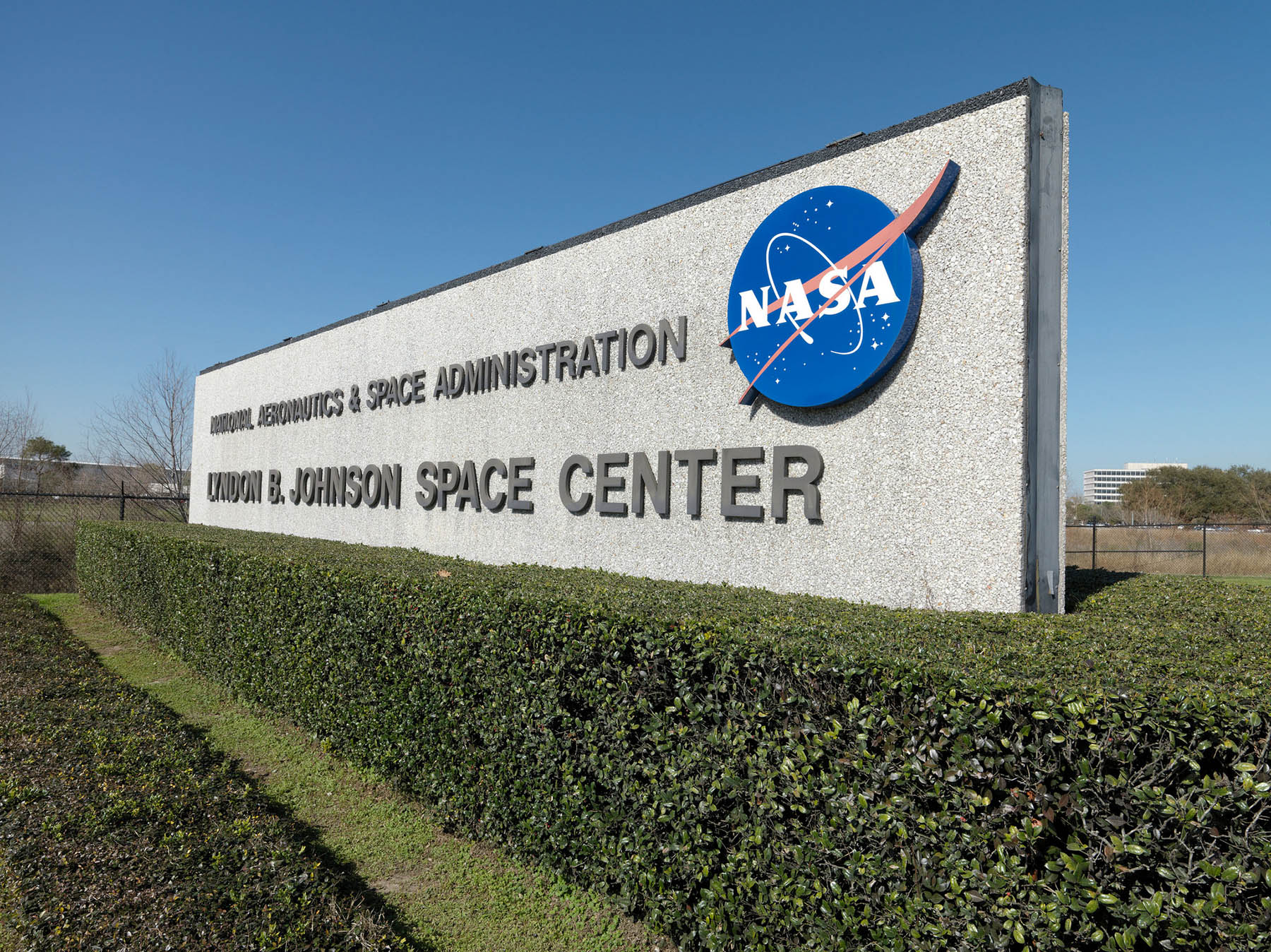
Bonnen, who chairs the Texas House Appropriations Committee, represents House District 24, covering Friendswood, League City, Dickinson and other parts of Galveston County. The academy bid centers on Johnson Space Center in Houston, designated as NASA's Human Spaceflight Center of Excellence and home to the astronaut corps.
Abbott said in a statement that no state can match what Texas brings, citing JSC, universities, military installations and the aerospace workforce.
Who's on the team
The six members joining Bonnen, as KHOU reported:
- Dr. Nancy Currie-Gregg, director of the Texas A&M Space Institute, retired Army colonel and former NASA astronaut
- Dr. Heather Wilson, president of the University of Texas at El Paso and former secretary of the U.S. Air Force
- Evan Loomis, member of the Texas Space Commission Board of Directors
- Dr. Robert Ambrose, associate director of the Texas A&M Space Institute
- Jack Fischer, retired Air Force colonel, former NASA astronaut and senior vice president at Intuitive Machines
- Dr. Lori A. Magruder, director of the University of Texas at Austin Center for Space Research
The team will work with the Texas Space Commission, chaired by Gwen Griffin, to prepare the state's submission.
Federal timeline
Trump signed the executive order creating the academy on Aug. 28 at Johnson Space Center. The stakes are real. NASA Administrator Jared Isaacman chairs the Presidential Commission on the United States Space Academy, which held its first meeting Sept. 9.
Following that meeting, NASA published a Request for Information (RFI) seeking proposals from governors or their designees. Each state may submit one response. Texas' response is due by 6 p.m. EDT on Monday, Oct. 26.
The RFI lays out an aggressive schedule: groundbreaking no later than 2027, the first 300 students temporarily housed by 2028 and a permanent campus operating by 2031. The presidential commission's report to Trump is due around late December.
Why Texas officials say the state fits
House Speaker Dustin Burrows pointed to the state's 15 military installations and research universities in a statement supporting the bid.
NASA Deputy Administrator Matt Anderson, the commission's executive director, said in the RFI announcement that the academy's location is "foundational to its success" and called on states to bring their strongest vision, including infrastructure, partnerships and community.
The next public milestone is the Oct. 26 RFI deadline.