NASA wants private companies to build the replacement for the International Space Station. The aerospace employers clustered around Johnson Space Center stand to play a central role.
The agency released its final Request for Proposals on Friday, Oct. 9, inviting U.S. companies to submit plans for commercial space stations in low Earth orbit. Proposals are due Dec. 8, with contract awards expected in spring 2027, Houston Public Media reported.
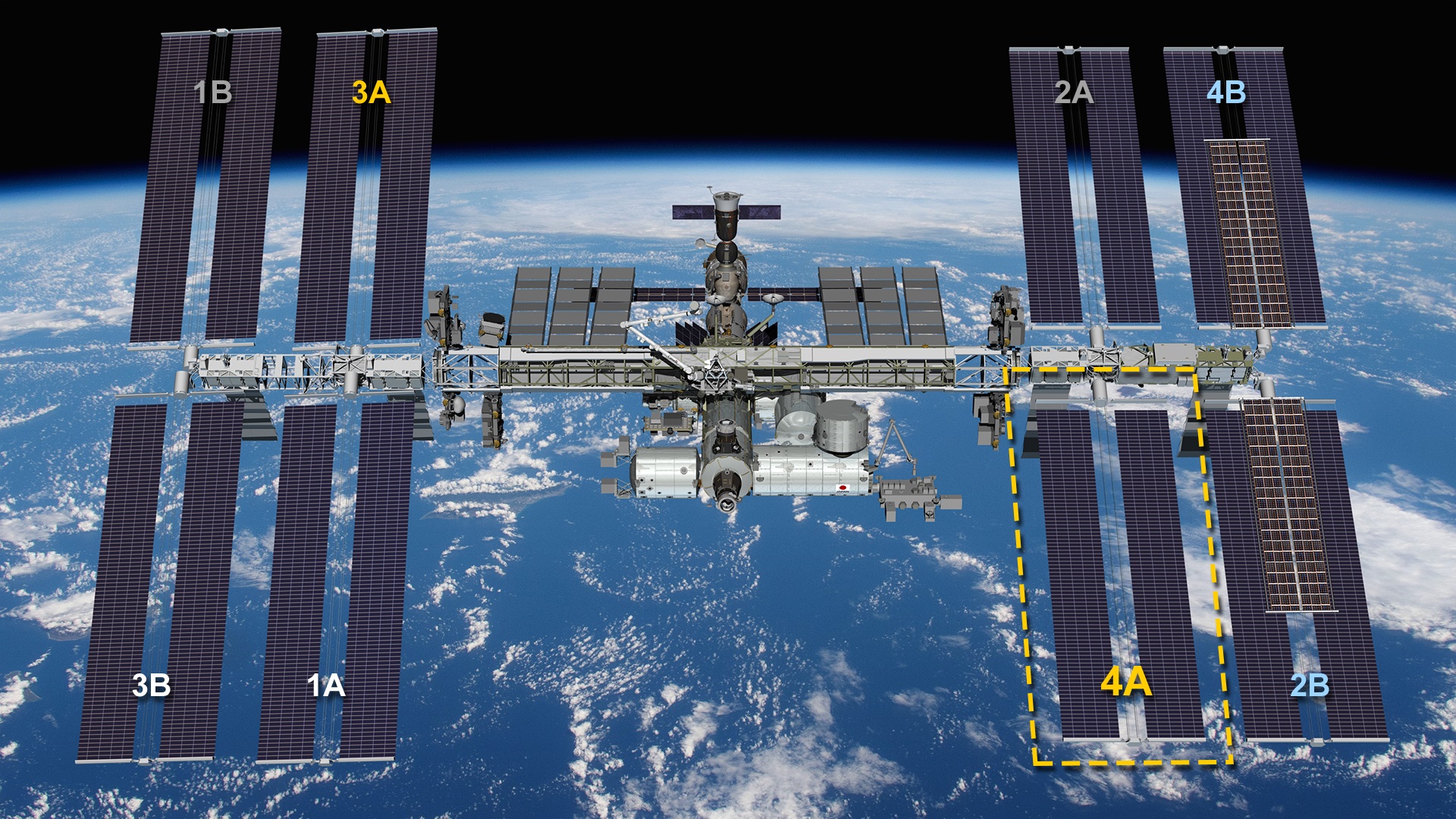
The 360-page solicitation, formally called the Commercial Low Earth Orbit Destination Contract, moves NASA closer to replacing the ISS before it is decommissioned by decade's end. NASA selected SpaceX in 2024 to build a vehicle to deorbit the station under an $843 million contract.
Each Phase 1 winner is guaranteed at least $100 million, Ars Technica reported. Later phases could be worth billions, according to Ars Technica. Initial contracts will last about eight years, with potential extensions totaling roughly 15 years.
NASA plans to select two or more contractors through early development, then narrow the field through a competitive task order for final design, testing and certification, according to the agency's press release.
"We've made it clear that NASA will never give up its presence in low Earth orbit. … The opportunity is significant, but the economics ultimately have to work," NASA Administrator Jared Isaacman said. "We want to see credible plans, strong technical execution, and companies prepared to invest in destinations that can serve NASA while developing additional customers and markets of their own."
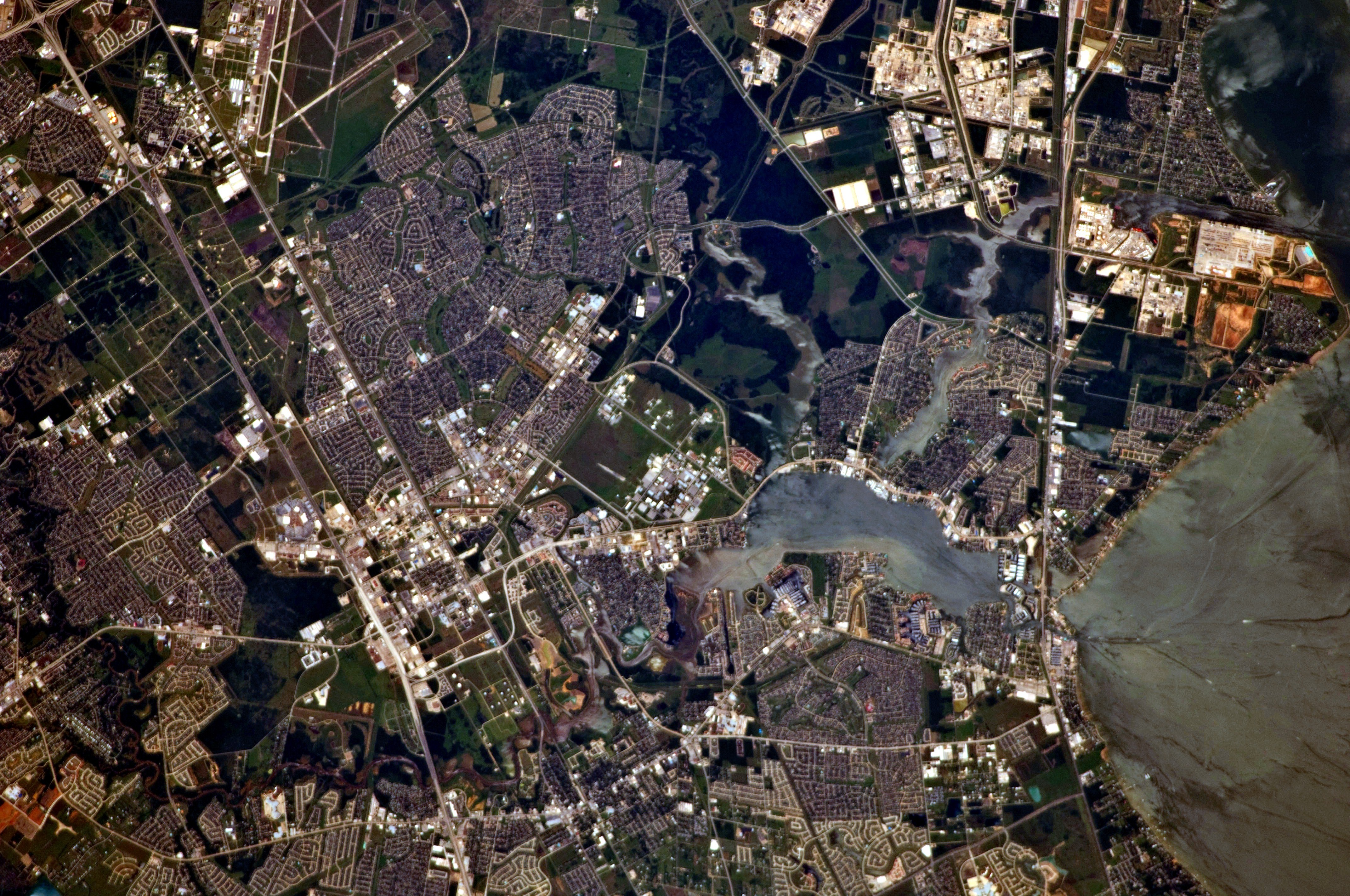
The RFP encourages contractors to tap NASA personnel and expertise through a public-private partnership. Contracting officer Ashely Chaves wrote in a letter to industry partners that "NASA has unique personnel and expertise." JSC, located adjacent to Nassau Bay and Webster, serves as NASA's lead center for human spaceflight operations and Mission Control.
Houston-based Axiom Space is among the expected bidders, along with Voyager Space's Starlab project and Vast Space, according to Ars Technica. Blue Origin won an earlier round of NASA funding, but questions remain about the company's commitment. SpaceX appears unlikely to bid for now.
Marshall Smith, chief executive of Voyager's Starlab station, called the RFP release "an important milestone" and said Starlab has "the strongest business plan and technical solution to be America's next space station," according to Technology.org.
A June 2026 Government Accountability Office assessment flagged the possibility of a gap in human presence in low Earth orbit during the transition from the ISS to commercial stations, Technology.org reported.
The ISS has been in orbit since construction began in 1998. A 2021 NASA Office of Inspector General report estimated the station costs the agency up to $4 billion a year.
What to watch: NASA expects to announce contract awards around April 15, 2027.