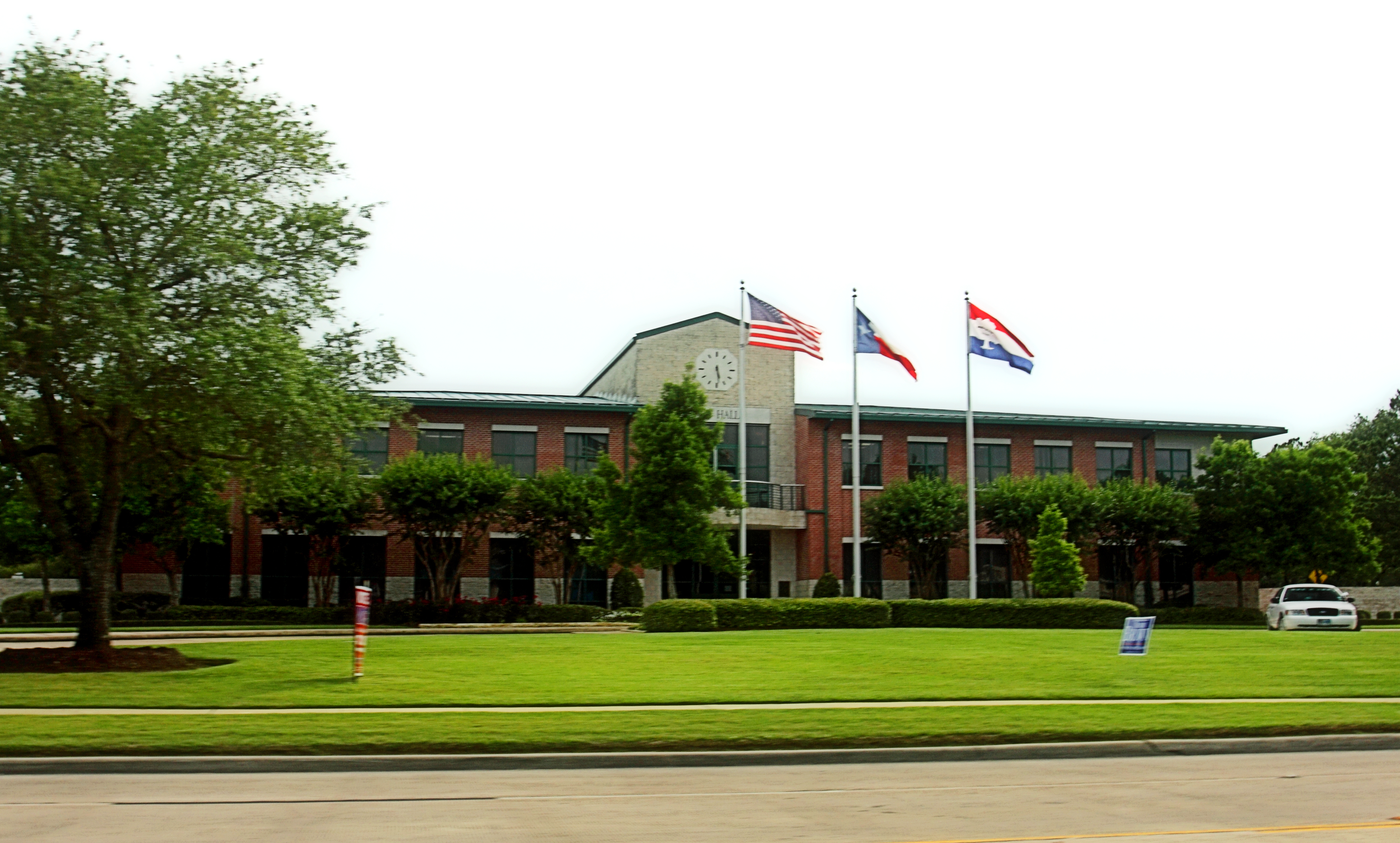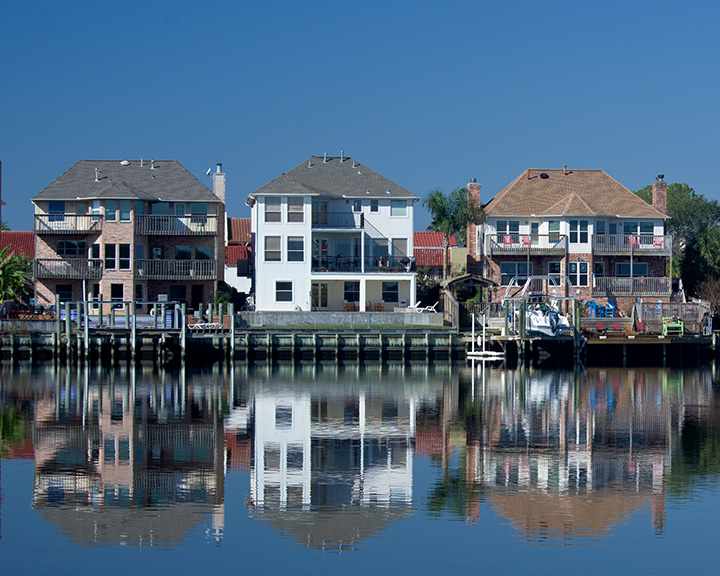
Seabrook homeowners would see no property tax increase under a $52.6 million proposed budget that City Manager Gayle Cook presented Wednesday, Aug. 5, at a special council workshop. But city employees face a different picture: zero cost-of-living raises and health insurance premium hikes of up to 39.2%.
The budget, which Cook submitted in a written message dated July 30, holds the tax rate at the No New Revenue level, the lowest rate a city can adopt. That's not entirely by choice. The Texas Attorney General's Office notified Seabrook on May 14 that it is prohibited from raising taxes above that rate under SB 1851, a 2025 state law triggered by a late annual audit filing.
As we reported Aug. 4, the workshop was discussion only. No vote was taken. The city must hold a public hearing and formally adopt the budget before the fiscal year begins Oct. 1; no adoption date has been announced.
Where the money goes
The $52,647,173 budget breaks into four buckets: a $16.1 million General Fund, $13.1 million Enterprise Fund, $2.9 million in debt service and $20.6 million in other funds and capital projects. Personnel costs eat 73% of the General Fund.
A new state law effective Jan. 1 raised the Business Personal Property tax exemption from $2,500 to $125,000 per location, removing thousands of commercial accounts from the city's tax rolls and compressing its revenue base.
Employees squeezed
Cook's budget eliminates cost-of-living adjustments for all civilian and police employees. Last year, civil service staff received a 3% COLA. Step pay increases survive: 2.5% for civilian workers and 3% for police, applied on anniversary dates.
Health insurance costs are climbing steeply. The Core Plan (PPO) rises 20.78% and the HSA plan jumps 39.2% for the plan year that began Aug. 1. Last year's increase was 14.4%. The city covers 68% of dependent coverage; employees pay the rest.
Bond-funded capital projects
Voter-approved 2023 general obligation bonds totaling $4.3 million fund three projects: a $2.4 million EMS/EOC building expansion onto the fire station, a $1.4 million fire truck and a $500,000 fire training tower.
Separately, $10 million in 2023 certificates of obligation fund street reconstruction, including North Meyer Road and 1st Street. A $4 million Harris County partnership grant supports the North Meyer project.
Reserves tapped out
To balance the books, Cook's proposal draws down the city's entire remaining $187,000 Stabilization Fund balance. The fund, originally $800,000 before the SH 146 expansion project, would become inactive at the close of FY 2027. Prior draws included $656,000 transferred to the EMS expansion project in July 2025 and $145,253 for IT hardware and parks equipment in FY 2025.
New revenue streams
The budget counts on several new or growing income sources: $90,713 from a Lakeview jail and dispatch services agreement, $20,000 from the reopened Pelican Bay Pool, a projected 4.85% sales tax increase adding roughly $117,000 and $400,000 in ambulance revenue.
Three Industrial District Agreements with Port of Houston, Baystar and Ineos bring in $167,684.
Cook wrote in her budget message that the proposal is built to allow additional input at the workshop and noted the city is awaiting certified tax rolls from Harris County, which could swing revenues for a city Seabrook's size.
The Seabrook EDC board is expected to review its own FY 2027 budget at its Thursday, Aug. 13, meeting. Residents can attend regular council meetings the first and third Tuesdays at 7 p.m. at City Hall, 1700 1st St.