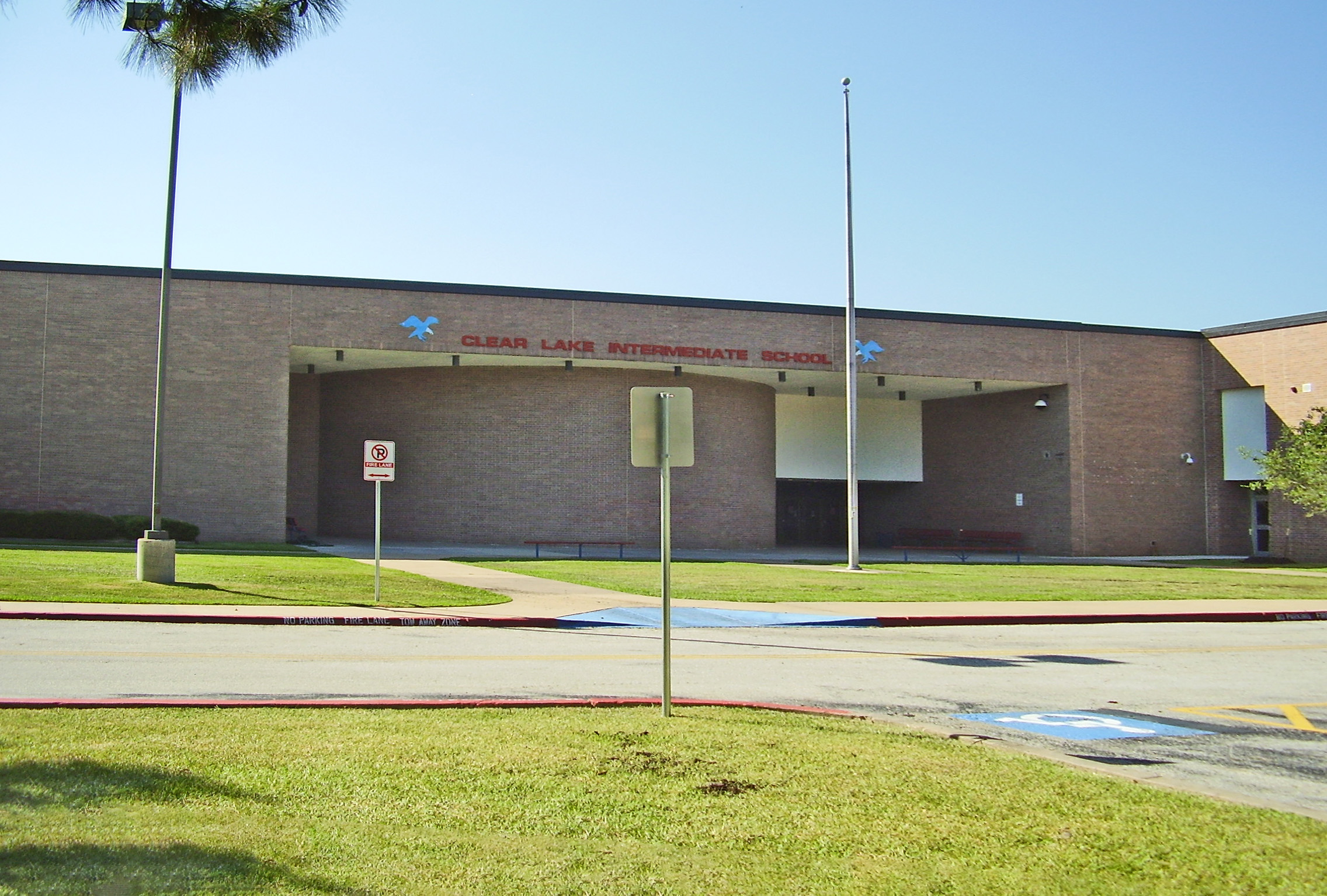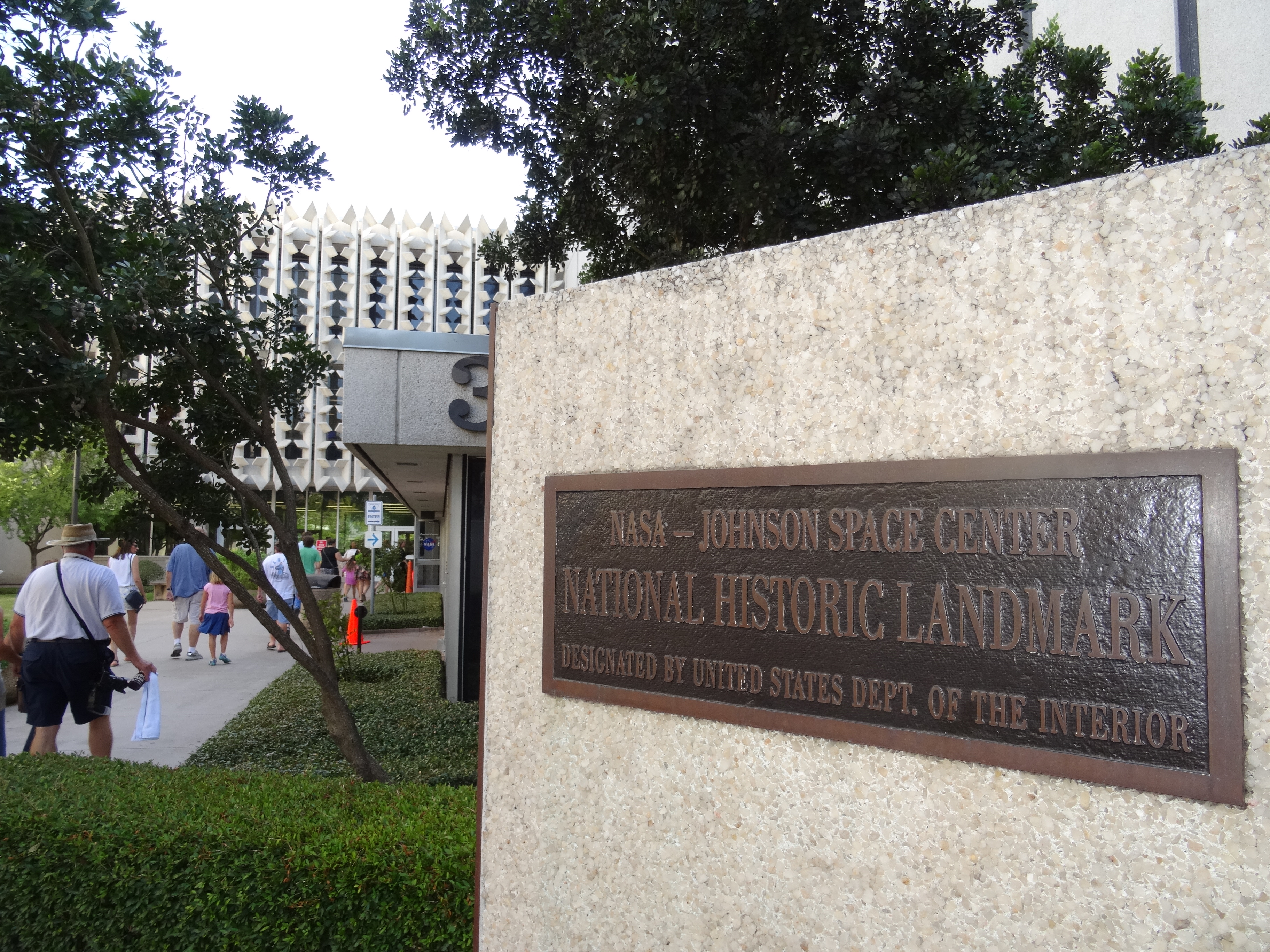
Texas could spend up to $100 million in taxpayer money to bring the new U.S. Space Academy to the Clear Lake area.
The Texas Space Commission (TSC) board floated the nine-figure commitment at its Sept. 23 meeting as part of the state's bid to host the academy near Johnson Space Center, Houston Public Media reported. The discussion was non-binding, and the dollar figure could change, but multiple board members signaled strong support for a major financial commitment.
"I think it might be important for the Space Commission board to make very clear that we intend to support this in a significant way," Heather Wilson, a TSC board member and president of the University of Texas at El Paso, said during the meeting, according to Houston Public Media.
"And whether it's $100 million, or whatever set aside … I think it sends a pretty clear message that Texas is in, and I don't think that's a bad thing," Wilson said.
The bid traces back to Aug. 28, when President Donald Trump signed an executive order at Johnson Space Center establishing the U.S. Space Academy (USSA). Gov. Greg Abbott created a leadership team to draft Texas' proposal. State Rep. Greg Bonnen of Friendswood, chair of the House Appropriations Committee, leads that team.
Three TSC board members serve on the leadership team: Nancy Currie-Gregg, director of the Texas A&M Space Institute and a former NASA astronaut; Wilson; and Evan Loomis.
Each state may submit one proposal, at the governor's direction. Texas' bid is due to NASA by Nov. 16. A presidential commission that includes NASA Administrator Jared Isaacman will then recommend a site to the president by Dec. 26, according to NASA's announcement.
NASA's timeline calls for a groundbreaking no later than 2027, with the first 300 students beginning instruction in 2028. A permanent campus is expected to open by 2031 and must sit on at least 300 acres with capacity for 4,000 students, according to NASA's solicitation.
The bipartisan push extends across the Texas congressional delegation. Sen. Ted Cruz and Rep. Brian Babin, chairman of the House Science, Space, and Technology Committee, led nearly the entire Republican delegation in a letter endorsing the bid. Democrats, led by Rep. Christian Menefee, sent a separate letter of support.
Texas is not alone.
Florida, Ohio, West Virginia, Arizona, Alabama and Louisiana have all publicly begun work on competing proposals, according to Houston Public Media.
The TSC, created by the Texas Legislature in 2023, has already distributed $150 million in grants to organizations including Blue Origin, Intuitive Machines, SpaceX and Rice University. State lawmakers added $300 million to the commission's budget in 2025.
Details of the Texas proposal remain under wraps. Norman Garza, a representative for the leadership team, told Houston Public Media the state would not disclose elements of the proposal before it is submitted because the process "is a competition amongst states."
Trump acknowledged the competition when he signed the executive order at JSC on Aug. 28, saying everyone wants the academy "because it's the hot thing," according to Houston Public Media.
Texas' proposal is due to NASA on Nov. 16. The presidential commission's recommendation to the president is expected by Dec. 26.