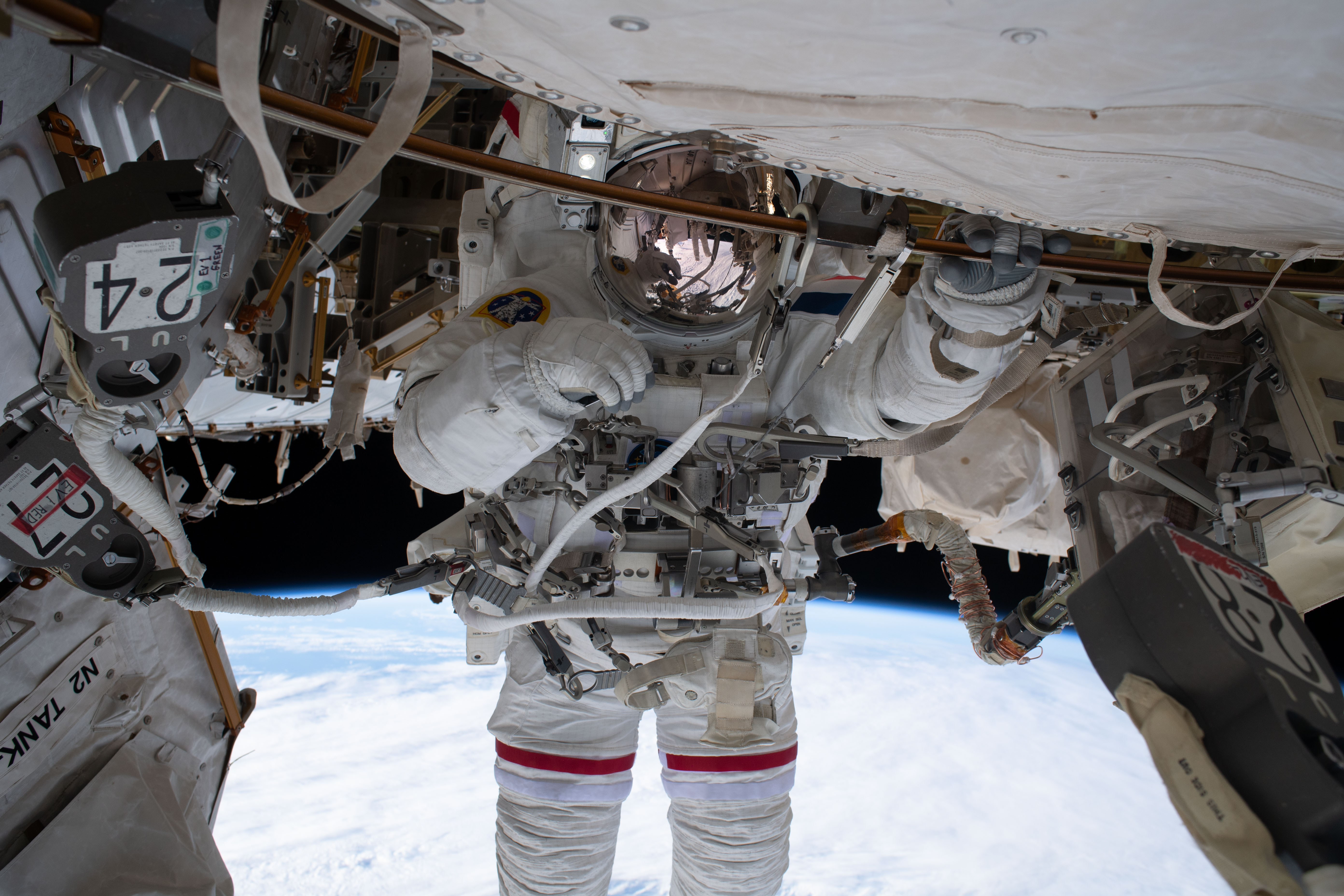
Blue Origin's cargo lander passed its toughest ground test inside a historic Johnson Space Center chamber, putting the Clear Lake area at the center of NASA's push to build a permanent outpost near the Moon's South Pole.
NASA's Tuesday, Aug. 4, update confirmed that four commercial partners are advancing toward lunar deliveries by 2028 under Phase I of the Moon Base program. The agency reported that Blue Origin's Blue Moon MK1 lander, named Endurance, successfully completed an extensive environmental test campaign including thermal-vacuum assessment at JSC's Chamber A, verifying the spacecraft can perform under lunar-like conditions.
Chamber A is a 55-foot-diameter, 90-foot-tall National Historic Landmark that tested Apollo spacecraft in the 1960s and the James Webb Space Telescope more recently, TechTimes reported.
With that milestone behind it, Blue Origin's teams are now assembling structure, propulsion elements and avionics, with wiring harness verification and cryogenic propellant loading among the final steps before launch integration. Endurance has also completed communications checkouts with NASA's Tracking and Data Relay Satellite System and the Deep Space Network. The lander will target the Shackleton Connecting Ridge at the lunar South Pole, carrying two NASA science payloads to demonstrate precision landing and test autonomous systems.
TechTimes reported the Endurance launch has slipped from fall 2026 to early 2027 following complications tied to a May 2026 New Glenn pad explosion at Cape Canaveral. NASA's Aug. 4 update did not specify a launch date.
Three more landers in the pipeline
Firefly Aerospace's Blue Ghost Mission 2 aims to be the first American landing on the Moon's far side. The 22-foot-tall dual-spacecraft configuration carries three NASA payloads and is nearly three times the height of the Mission 1 craft that achieved a successful soft landing at Mare Crisium in March 2025.
Nassau Bay-based Intuitive Machines is preparing its IM-3 mission, named Trinity, for a landing at Reiner Gamma, a magnetic anomaly that would mark the first exploration of a lunar swirl's surface. Trinity introduces Altus-1, the company's first lunar data-relay satellite, and will deliver five NASA payloads plus six commercial and one civil payload.
Voyager Technologies' Griffin-1 lander is undergoing testing at NASA's Jet Propulsion Laboratory in Southern California and plans to transport the largest commercial payload ever delivered to the lunar surface in late 2026.
Phase I runs through 2029. It includes more than 20 robotic landings before astronauts arrive.
JSC's broader lunar role
Beyond Chamber A, Johnson Space Center houses the Lunar Development and Test Facility where engineers work with lunar regolith simulant under realistic conditions. Mike Salinas, Propulsion and Power Division branch deputy chief at JSC, said the facility "helps develop and test technologies needed for long-duration lunar exploration," adding that engineers are advancing techniques to extract oxygen from regolith for astronauts and rocket propellant.
On July 24, NASA and Blue Origin announced an agreement to conduct New Glenn second-stage hot fire testing at Stennis Space Center in Mississippi. NASA Administrator Jared Isaacman said July 24 that the partnership "puts world-class American infrastructure to work advancing the capabilities needed to return astronauts to the Moon."
Hot fire testing at Stennis is targeted to begin this fall, with Endurance's launch expected in early 2027 according to TechTimes reporting.
Upcoming
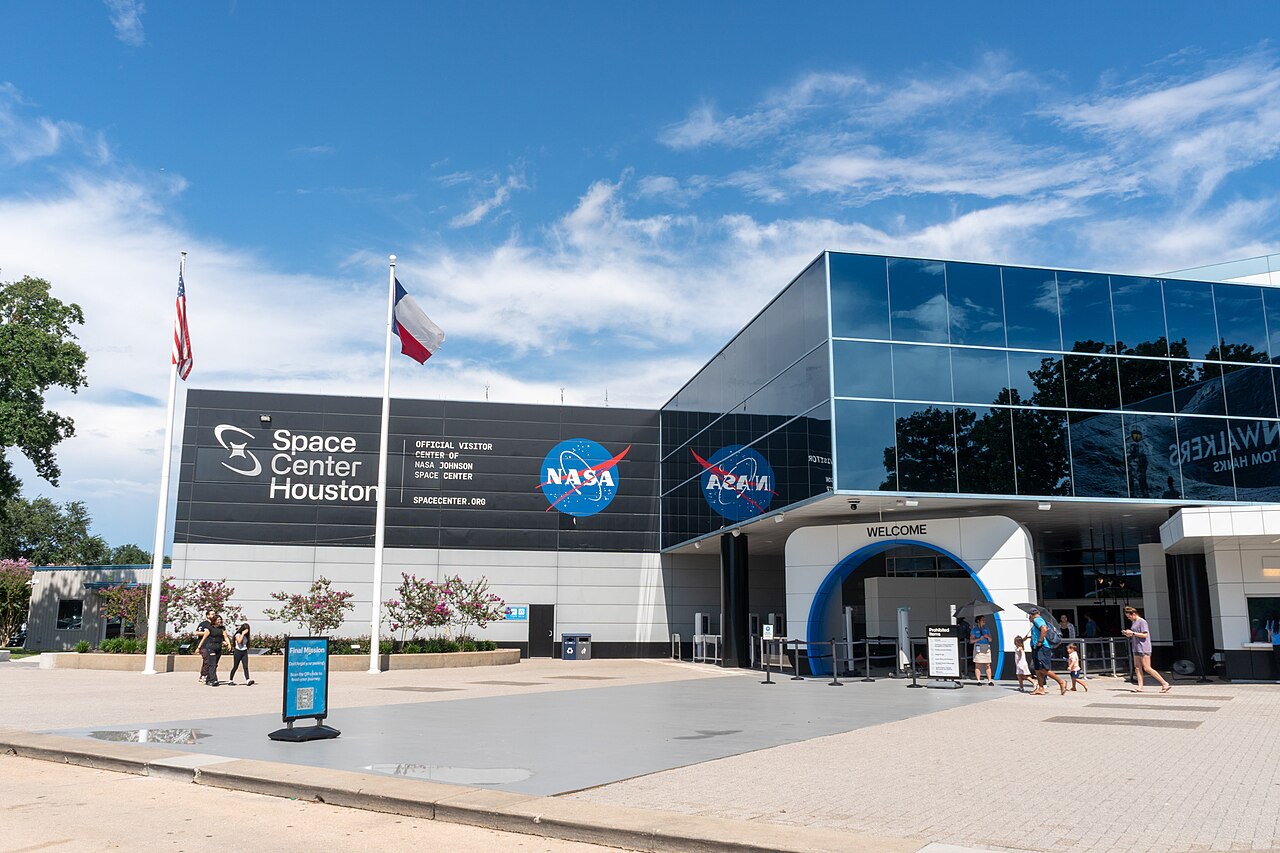
- Space Center Houston offers daily exhibits and programs related to lunar exploration at 1601 E. NASA Parkway, Houston.
- NASA Johnson Space Center virtual tour of the Lunar Development and Test Facility is available online through NASA's website.
- NASA+ streaming carries the Tuesday, Aug. 4, Moon Base video update with a closer look at all four landers' progress.