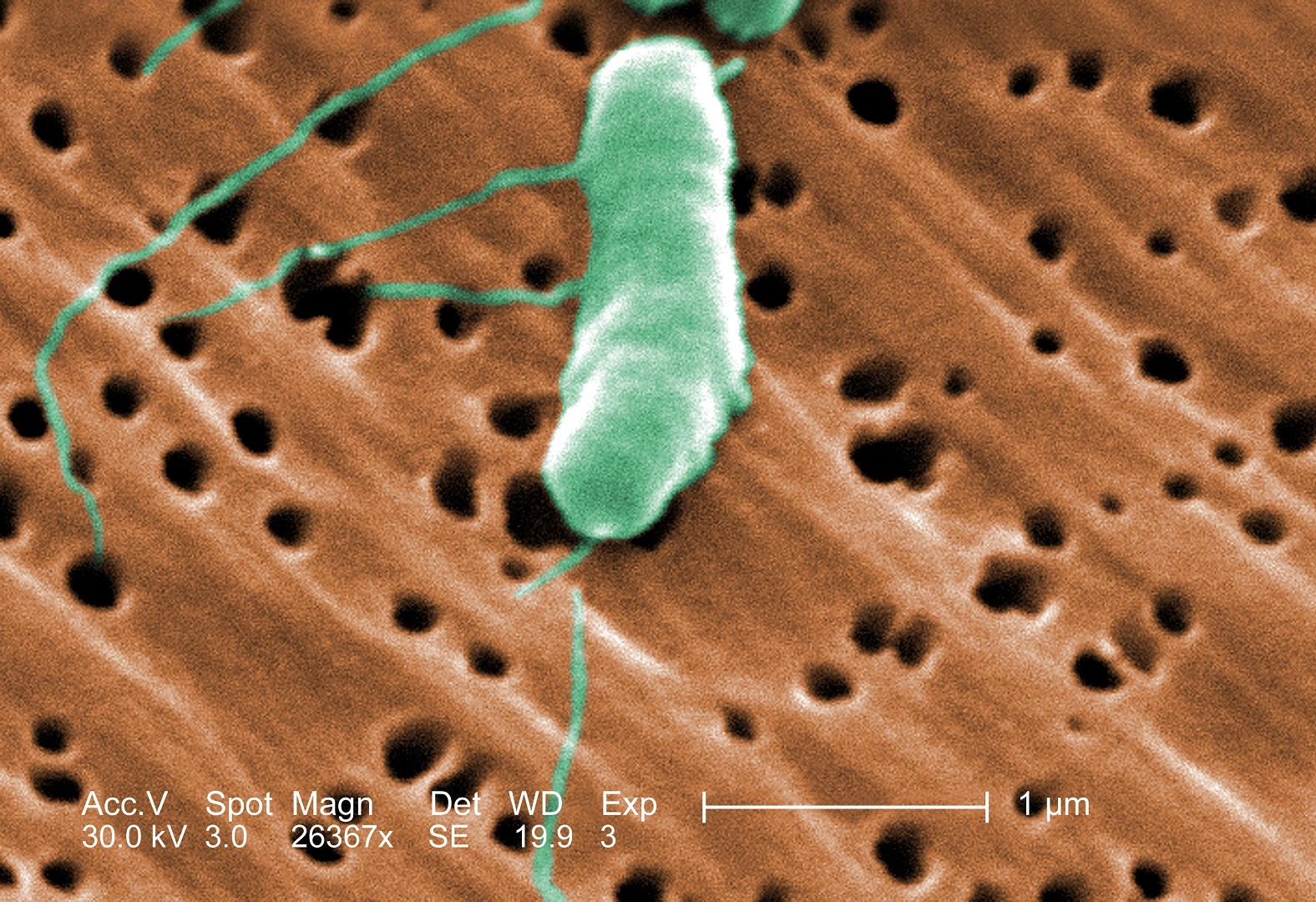
Five Vibrio vulnificus infections have been confirmed in Galveston County so far in 2026, and the local health authority is urging boaters and waterfront residents around Clear Lake to take precautions before getting in the water.
Dr. Philip Keiser, the local health authority for the Galveston County Health District, told KPRC 2 on Wednesday, Aug. 12, that two of those patients were hospitalized but both made full recoveries. Both hospitalizations were linked to pre-existing wounds exposed to coastal water, not to eating raw shellfish.
The warning carries particular weight for the Clear Lake area. Clear Lake is the third-largest recreational boating port in the United States, and the brackish waters around Seabrook, Nassau Bay and Clear Lake Shores connect directly to Galveston Bay, where Vibrio vulnificus occurs naturally in warm months.
"It can get into wounds and cause severe infections of people's limbs, and it can spread all over the body," Keiser said. "Any type of chronic liver disease, people who have any other type of immunosuppression — we're seeing a lot of that lately — would put you at higher risk."
Why it matters now
The peak risk window is open. Vibrio vulnificus thrives in warm salt and brackish water from May through October, according to the CDC. About 1 in 5 people who contract the infection die, sometimes within a day or two.
Galveston County averages about 10 cases per year, Keiser said, so five cases at this point in the season is within the normal range. But Louisiana has confirmed nine cases in 2026 with five deaths, well above that state's 10-year average of seven cases and one death, according to an Associated Press report.
Keiser attributed Louisiana's spike partly to rainfall and runoff creating a "sweet spot" of temperature and salinity that accelerates bacterial growth.
What boaters and swimmers should do
Health officials recommend these precautions for anyone entering coastal or brackish water:
- Cover open wounds with waterproof bandages before getting in the water.
- Stay out entirely if you have an unhealed cut, scrape, recent piercing, tattoo or surgical incision.
- Wash any wound immediately with soap and clean running water after water exposure.
- Wear water shoes and gloves while fishing or wading.
- Avoid raw oysters, especially if you have liver disease, diabetes, cancer or a weakened immune system.
Warning signs of infection include fever, redness, pain, swelling, warmth, skin discoloration and discharge around a wound exposed to coastal water. Anyone experiencing those symptoms should seek emergency medical care and tell the provider about the water contact.
One important caveat
The Texas Beach Watch program, which Keiser recommended as a general water-quality resource, does not test for Vibrio vulnificus. It monitors Enterococcus bacteria from runoff at 172 coastal stations. The Galveston County Health District notes explicitly that Beach Watch advisories are "NOT for 'flesh-eating bacteria.'" No routine public testing program currently tracks Vibrio levels in Clear Lake or Galveston Bay waters.
Residents with questions can reach the Galveston County Health District at 409-938-7221, Monday through Friday, 8 a.m. to 5 p.m., or the Epidemiology Program at 409-938-2215. No public GCHD briefings on Vibrio vulnificus are currently scheduled.