Four volunteers could spend a year "living on Mars" at Johnson Space Center in the Clear Lake area, and NASA is taking applications.
The agency is recruiting for its Moon and Mars Exploration Analog mission, a 12-month simulation set to begin no earlier than August 2027 inside two confined habitats at JSC. Applications are open at analogstudies.jsc.nasa.gov/mmea with no closing date listed.
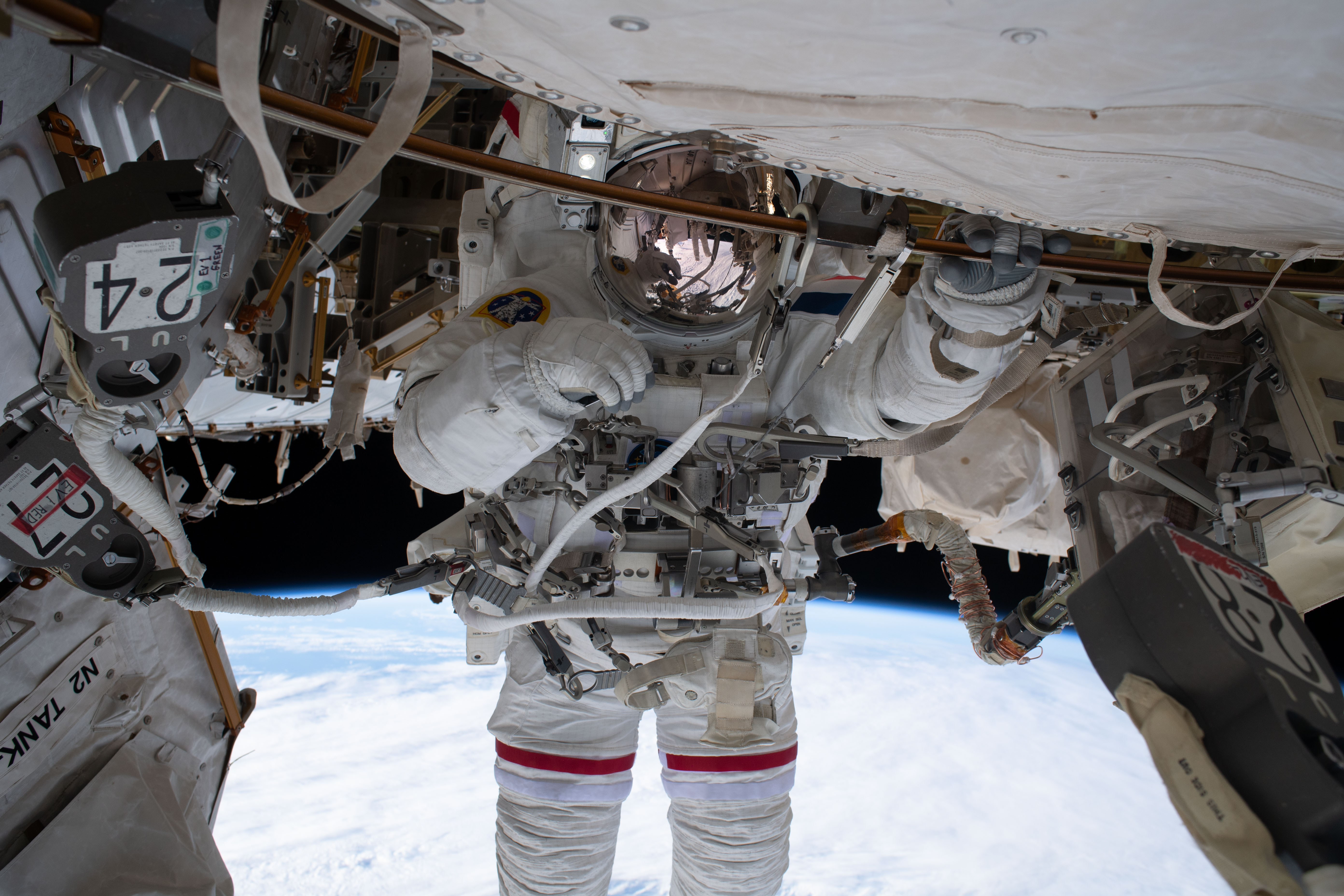
The MMEA will be the first NASA analog to combine a transit habitat and a surface habitat in a single simulation, replicating a complete round trip to the Moon or Mars. Volunteers will live in three phases: a 650-square-foot mock spacecraft simulating interplanetary travel, then a 900-square-foot surface base where they'll grow crops, conduct health monitoring and perform simulated spacewalks in a sandbox, followed by a return transit phase.
The total commitment runs about 14 months, including two months of pre- and post-mission training. Participants will be financially reimbursed.
Who qualifies
Applicants must be U.S. citizens or permanent residents, aged 30 to 55, no taller than 6 feet 2 inches and fluent in English. NASA requires a bachelor's degree in engineering, biological science, physical science or mathematics. Advanced STEM degrees and military experience are also considered. Candidates must pass physical and psychological assessments, have no dietary restrictions and no history of sleepwalking or use of sleeping aids.
What it's like inside
Nathan Jones, a doctor from Illinois who served as medical officer on the first CHAPEA surface mission, told CNN in July that the isolation was emotionally demanding. "It was hard to miss big events like birthdays, holidays, graduations, funerals and weddings," Jones said.
He added that nothing inside the habitat was fresh except the few vegetables the crew grew, and that he gained a new appreciation for sunlight and wind after emerging from the 3D-printed Mars Dune Alpha structure.
A second CHAPEA crew entered that same habitat in fall 2025 and remains inside. NASA's Johnson Space Center marked the mission's 250-day milestone on June 26, with crew members James Spicer, Ellen Ellis, Ross Elder and Matthew Montgomery conducting science investigations, growing peppers hydroponically and performing simulated EVAs.
Why it matters locally
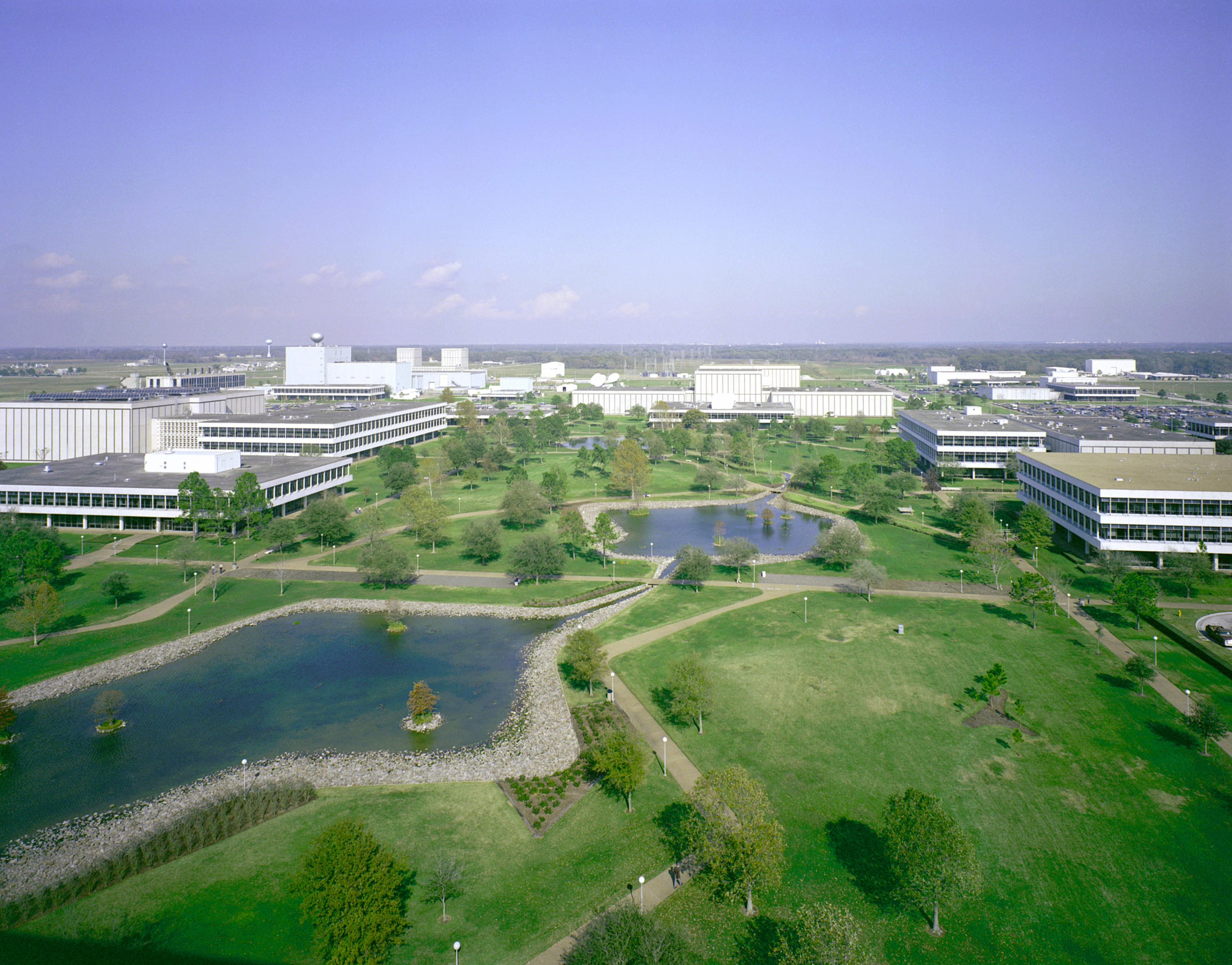
JSC is the Clear Lake area's anchor employer and the physical site of both the CHAPEA habitat and the HERA transit module used in the MMEA program. NASA scientist Sara Whiting told KHOU that spaceflight analogs are "really important to our future programs, especially going to the moon and eventually Mars."
The MMEA will also study how crew members adjust to living on Mars time. A Martian day is about 40 minutes longer than an Earth day, which can affect sleep and health performance.
NASA has completed 28 transit simulations and two surface habitat missions before this combined analog. The agency said volunteer participants help characterize risks and test countermeasures for long-duration exploration.
Upcoming community calendar
- Monday, Aug. 17 — Space Center Houston opens Accelerate Space workforce program applications; program starts Oct. 15.
- Thursday, Sept. 10 — Thought Leader Series: astronaut Leland Melvin at Space Center Houston.
- Friday, Sept. 11 — Lead Like Astronauts immersive adult training, including dinner with astronauts Megan McArthur and Mike Foreman.
- Thursday, Nov. 5 — Thought Leader Series: Kellie Gerardi at Space Center Houston.