A freshly painted Boeing 737-700 is one step closer to flying astronauts through simulated Moon gravity at Johnson Space Center in Houston.
NASA announced Aug. 13 that the aircraft received its new livery at a facility in Oklahoma, marking a visible milestone in the plane's conversion from a U.S. Air Force jet into the agency's next dedicated reduced-gravity research platform. Armstrong Flight Research Center in Edwards, California, took ownership of the 737 from the Air Force in June, according to an agency article by public affairs specialist Teresa Whiting.
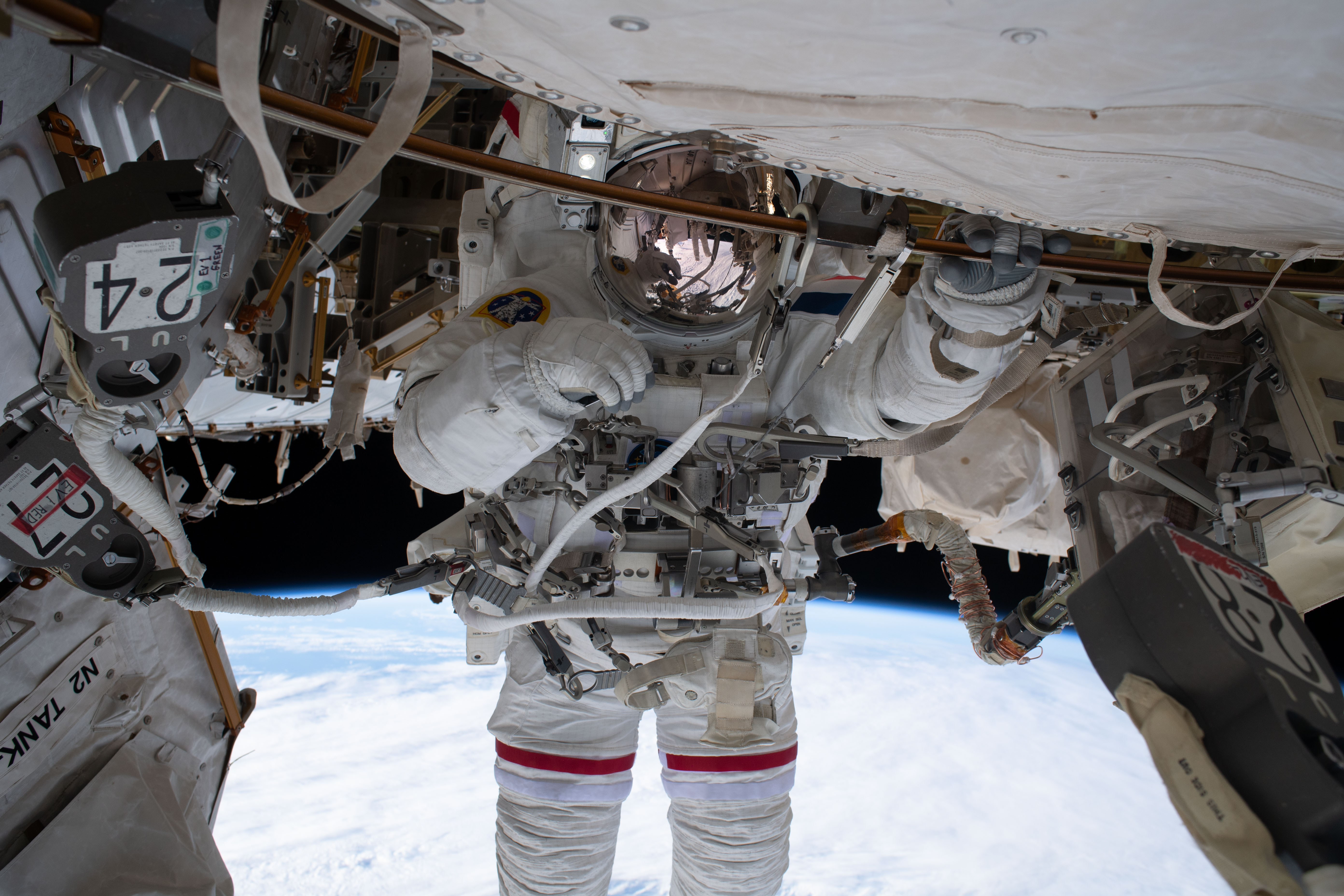
Once modifications wrap up, the plane will fly parabolic arcs out of JSC, climbing sharply and then free-falling to produce roughly one-sixth of Earth's gravity inside the cabin for about 23 seconds at a time. That brief window of lunar gravity lets engineers and astronauts test Artemis lunar suits and crew systems in conditions close to what they'll face on the Moon's surface.
The plane is not new to NASA's fleet.
NASA awarded an $8.4 million contract to Denmar Technical Services of Nevada to handle the modifications, maintenance and testing. The firm-fixed-price deal, announced in June through NASA's Human Spaceflight Mission Directorate, runs through Feb. 1, 2027, setting an outer deadline for the work before JSC-based flights can begin.
The 737 represents NASA's return to owning a dedicated reduced-gravity aircraft. The agency's earlier KC-135s, nicknamed the "Vomit Comet," supported astronaut training for decades before being retired. NASA later used a McDonnell Douglas C-9B, then ended its in-house reduced-gravity program altogether.
Beyond suit validation, the aircraft will also support systems-integration research, including flight testing of autonomy technology, sensors and other digital systems.
NASA has not announced a specific start date for parabolic flights at JSC.
What's ahead for Clear Lake
- Feb. 1, 2027 — Modification contract deadline with Denmar Technical Services
- JSC-based lunar-gravity flight operations to follow once the aircraft is certified
- Residents can track updates at nasa.gov