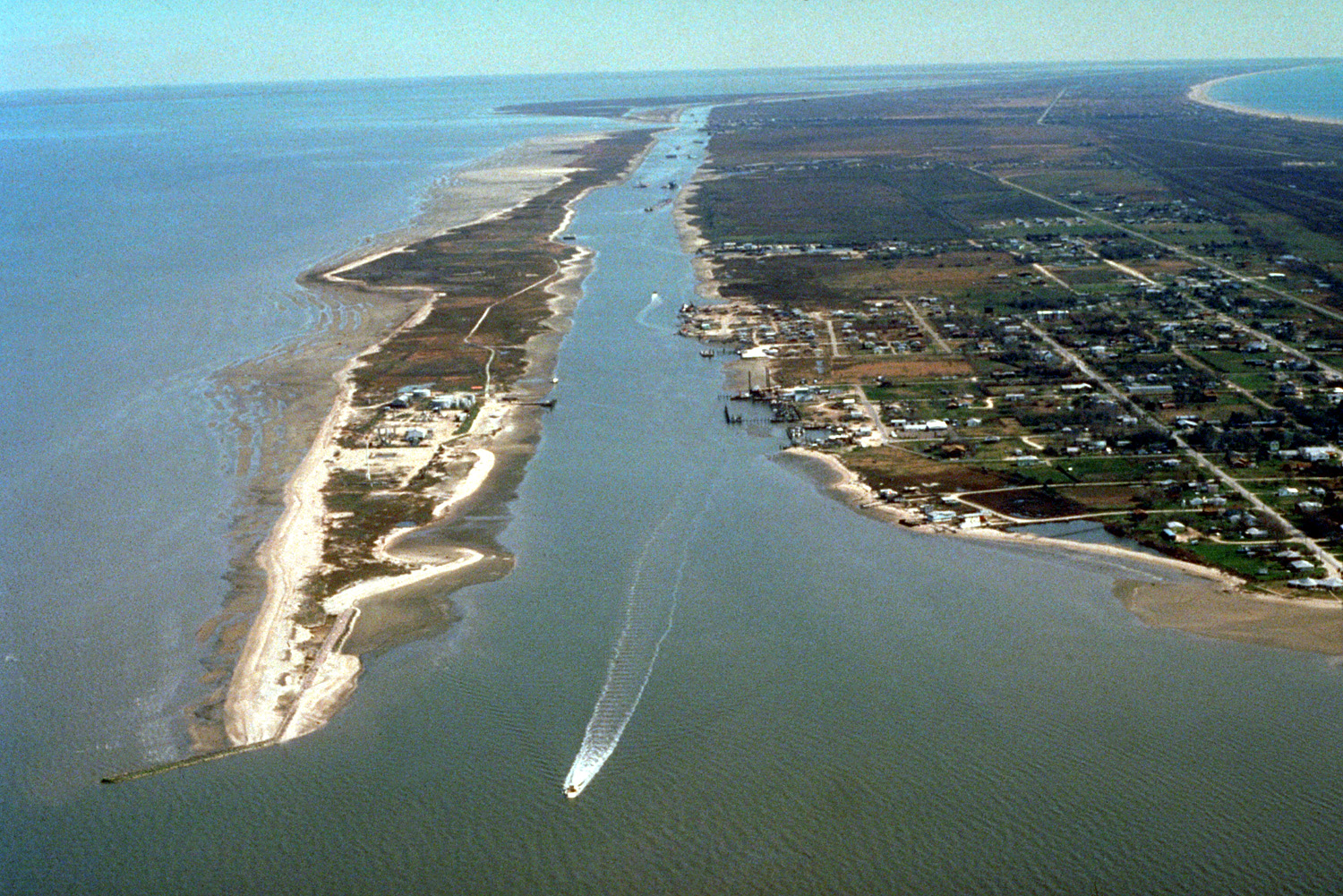
A red tide bloom has killed thousands of fish near Galveston and triggered respiratory warnings across the county.
The Texas Parks and Wildlife Department confirmed Saturday, Sept. 12, that water samples collected near Crystal Beach between Sept. 7 and Sept. 11 showed moderate concentrations of Karenia brevis, the microscopic algae responsible for red tide. The Galveston County Parks Department first alerted TPWD's Kills and Spills Team on Sept. 8 after beachgoers reported coughing and mass fish die-offs along Bolivar Peninsula.
No local officials in Friendswood, Webster, Seabrook, Nassau Bay or Clear Lake Shores have issued advisories specific to those communities. But residents who boat, fish or walk dogs along Galveston Bay shorelines face the same risks TPWD outlined for the broader region.
An estimated 10,500 fish have died, most of them menhaden, according to a report shared on Facebook by Fox 4's Richard Ray. Speckled trout, alligator gar and flounder were also found among the dead. The bloom has since spread from Crystal Beach to the Galveston beachfront, according to the Galveston Daily News.
NOAA's National Centers for Coastal Ocean Science issued a forecast Saturday warning of moderate to high respiratory irritation risk at beaches across Galveston County. That alert is expected to remain in effect through at least Tuesday, Sept. 15, according to a Houston Chronicle report.
This is the first red tide event on the Texas coast since October 2023.
What residents should know
TPWD said breathing red tide toxins can cause coughing, sneezing and watery, burning eyes. Symptoms are usually temporary and can be eased with a particle filter mask or over-the-counter antihistamines. People with asthma or other respiratory conditions may be more sensitive, according to KPRC reporting.
Officials advise residents to avoid swimming in affected water or areas with dead fish. Anyone who begins coughing or has trouble breathing near the water should leave immediately and seek medical care if symptoms worsen.
Shellfish harvested from affected waters pose a separate danger. Oysters, clams and mussels can accumulate brevetoxins that cooking and freezing cannot destroy, potentially causing neurotoxic shellfish poisoning, ABC13 reported. Commercially sold shellfish from markets and restaurants remain safe because they come from unaffected harvest areas, according to TPWD.
Fish, shrimp and crabs caught alive and behaving normally are safe to eat. No one should eat fish or shellfish found dead or washed ashore.
Pet owners: keep dogs away
Dogs face a particular threat. They can suffer fatal brevetoxin poisoning by eating washed-up fish carcasses or licking algae-laden water from their paws and fur. Pet owners should keep dogs away from shorelines and any dead fish during the bloom.
What comes next
The last time red tide hit the Galveston Bay area, in October 2023, the algae lingered for about a month. TPWD said blooms can last days, weeks or months and typically begin in late summer or early fall.
TPWD continues to monitor the bloom. Residents can check the agency's red tide status page for updates before heading to the coast. To report suspected red tide, fish kills or unusual conditions, call TPWD at 512-389-4848.